Designing with Feedback
AI-Supported Feedback in Studio-Based Design Education
Year:
2025
Timeframe:
8 Weeks
Tools:
Google Forms · Excel · Figma · Miro
Category:
Learning Engineering · UX Research · Cognitive Science
Overview
Rethinking Feedback in Creative Learning Environments
Feedback drives learning, but in design studios, it is often slow, uneven, and limited by instructor availability. This project examined how AI-supported feedback can complement human critique without compromising creativity or reflection. Through a quasi-experimental study with architecture students, I investigated how AI-generated feedback influences engagement, iteration depth, and cognitive processing. The goal was to transform feedback from a sporadic event into a continuous dialogue that supports student growth and development. I led the research design, data analysis, and evaluation of how AI tools can scaffold reflection and ideation in studio-based learning.
The Feedback Bottleneck in Studio Learning
Studio-based education thrives on critique, yet students often receive limited guidance due to large cohorts and time constraints. This reduces opportunities for iterative reflection and higher-order thinking. While AI systems can generate quick responses, their use in open-ended creative domains remains underexplored. The core challenge was to design AI feedback that deepens learning without replacing human judgment.
Designing AI as a Reflective Partner
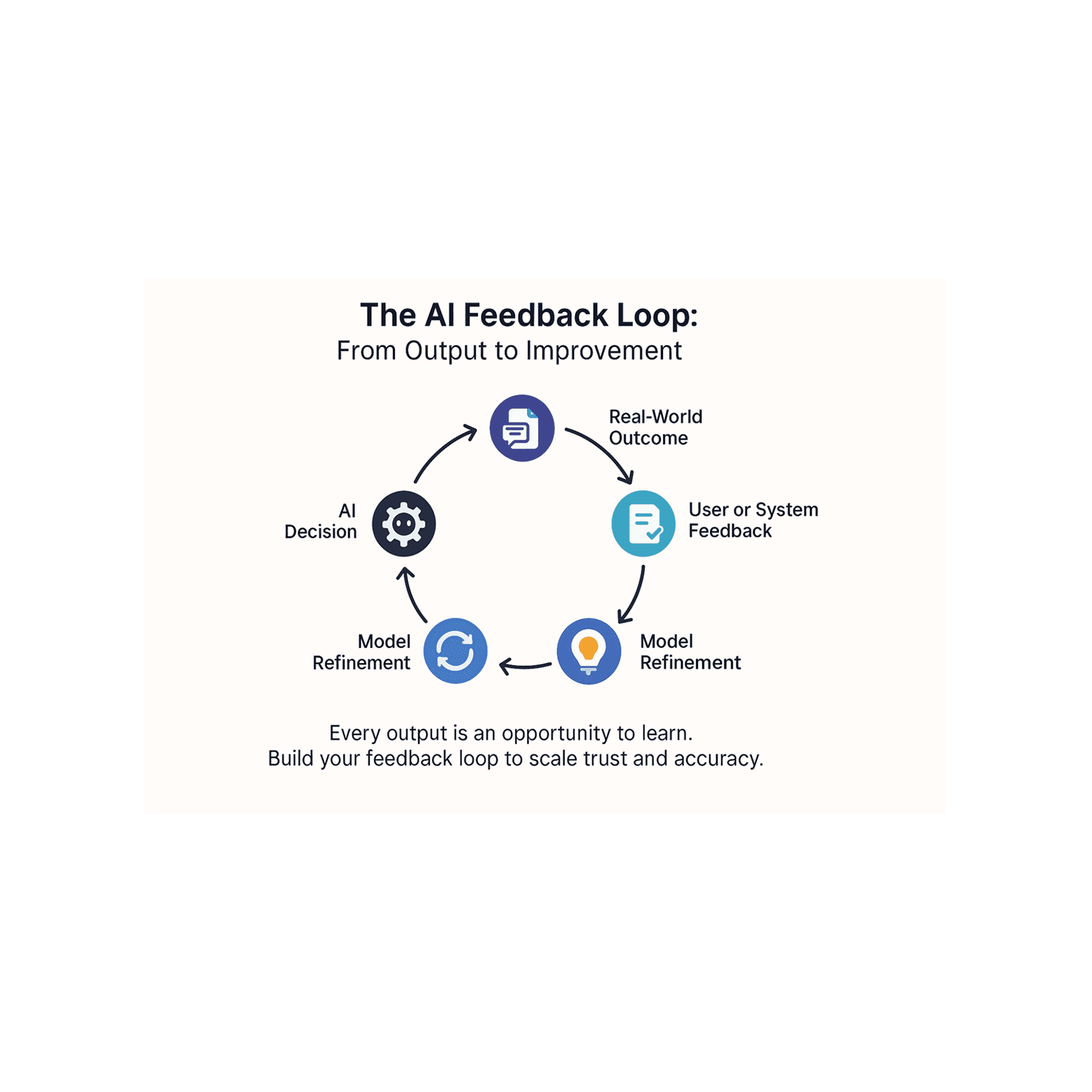
We developed a rules-based AI feedback tool aligned with studio rubrics and tested it against traditional instructor feedback using a mixed-methods design. The system provided timely, constructive comments on clarity, innovation, and contextual alignment within 24 hours of submission. Analysis revealed increased iteration frequency and deeper reflection among students who used AI-supported feedback. Reflective journals demonstrated higher-order reasoning, with many students describing the AI as “clear,” “non-judgmental,” and “helpful for thinking through ideas.” These findings informed design principles for future learning-AI systems that scaffold reflective practice rather than automate critique.