Trust in the Loop
Exploring how transparency, control, and feedback influence user trust in AI-driven recommendations.
Year:
2025
Timeframe:
8 Weeks
Tools:
Figma · Miro · Excel · SPSS · Qualtrics · Canva
Category:
AI Interaction Design

Overview
Designing Trustworthy AI Interfaces Through Transparency and User Control
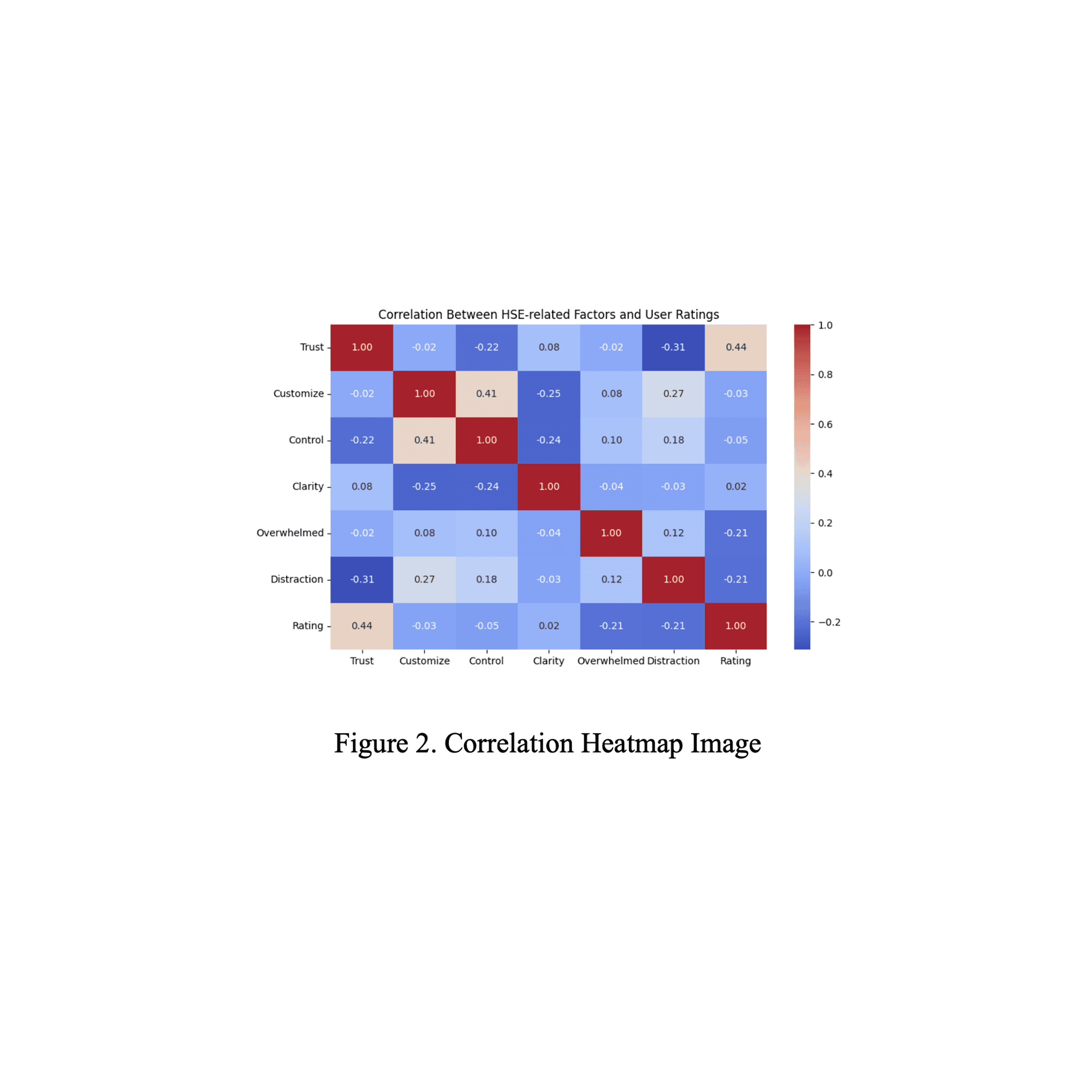
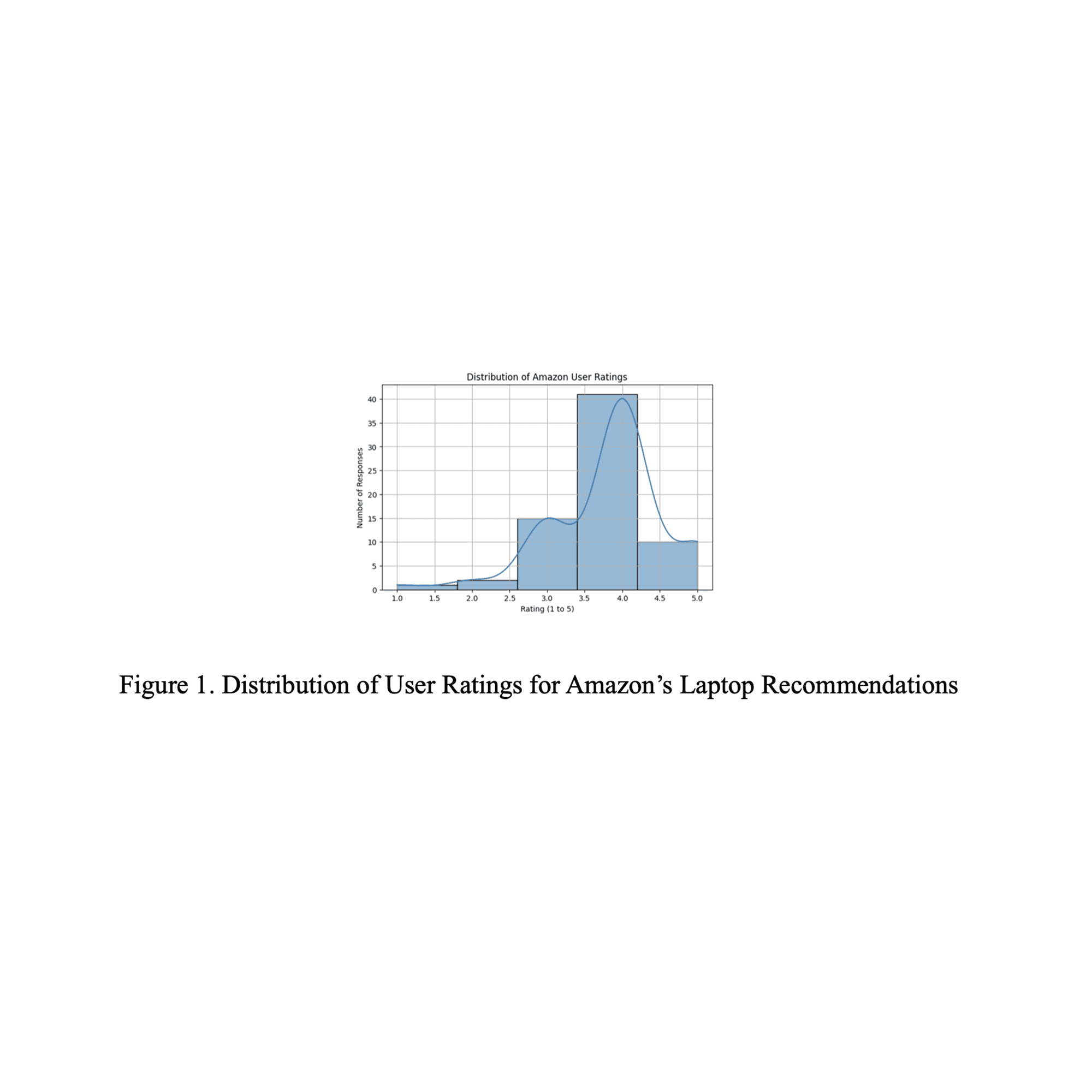
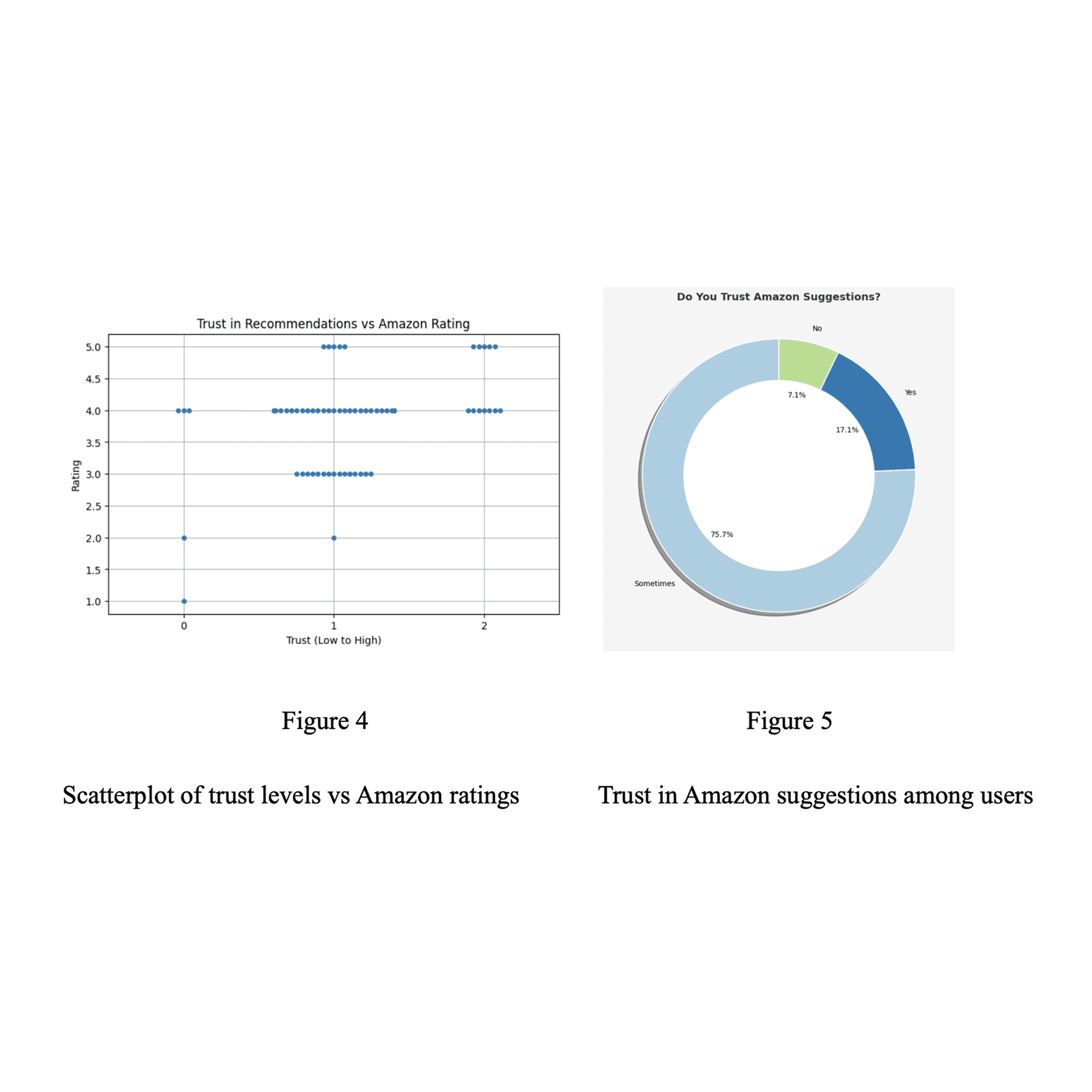
This project explored how users experience trust, uncertainty, and satisfaction while interacting with AI-driven recommendation systems. Through a mixed-methods study involving surveys, behavioral analysis, and interface evaluation, I examined how algorithmic opacity and lack of feedback affect user confidence. The study revealed that users consistently trust AI more when they understand why a recommendation was generated, how much control they have over it, and what data the system uses. These insights informed the design of transparent, user-centered AI interfaces that strike a balance between cognitive load and clarity, thereby enabling a seamless user experience. I led the research planning, insight synthesis, and design of transparent AI interface components. Dhanraj contributed to data collection and early analysis, and together we reviewed findings to ensure data quality and consistency.
The Algorithm Knows Me, But I Don’t Know It
Users interact with AI-powered recommendations daily but rarely understand why certain suggestions appear. Participants frequently reported uncertainty, a low sense of perceived control, and concerns about the opacity of algorithmic systems when interacting with non-explainable suggestions. This reduced trust, increased hesitation, and elevated cognitive load. The underlying issue was not the quality of the algorithm, but the lack of transparent cues that help users build accurate mental models. Without explanation or feedback, users struggled to understand how the system behaved, weakening trust and reducing engagement.
Designing Transparent and User-Centered Recommendation Flows
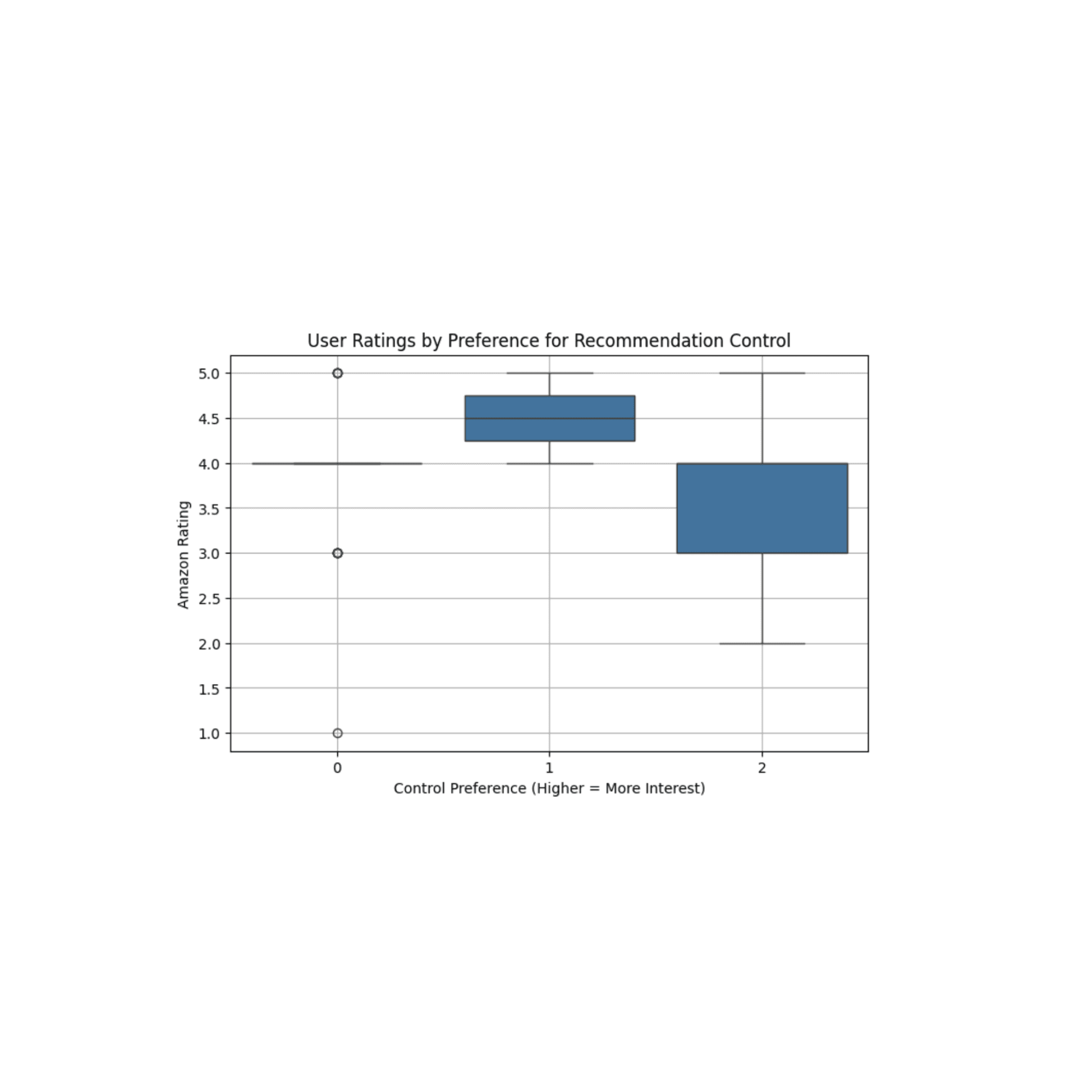
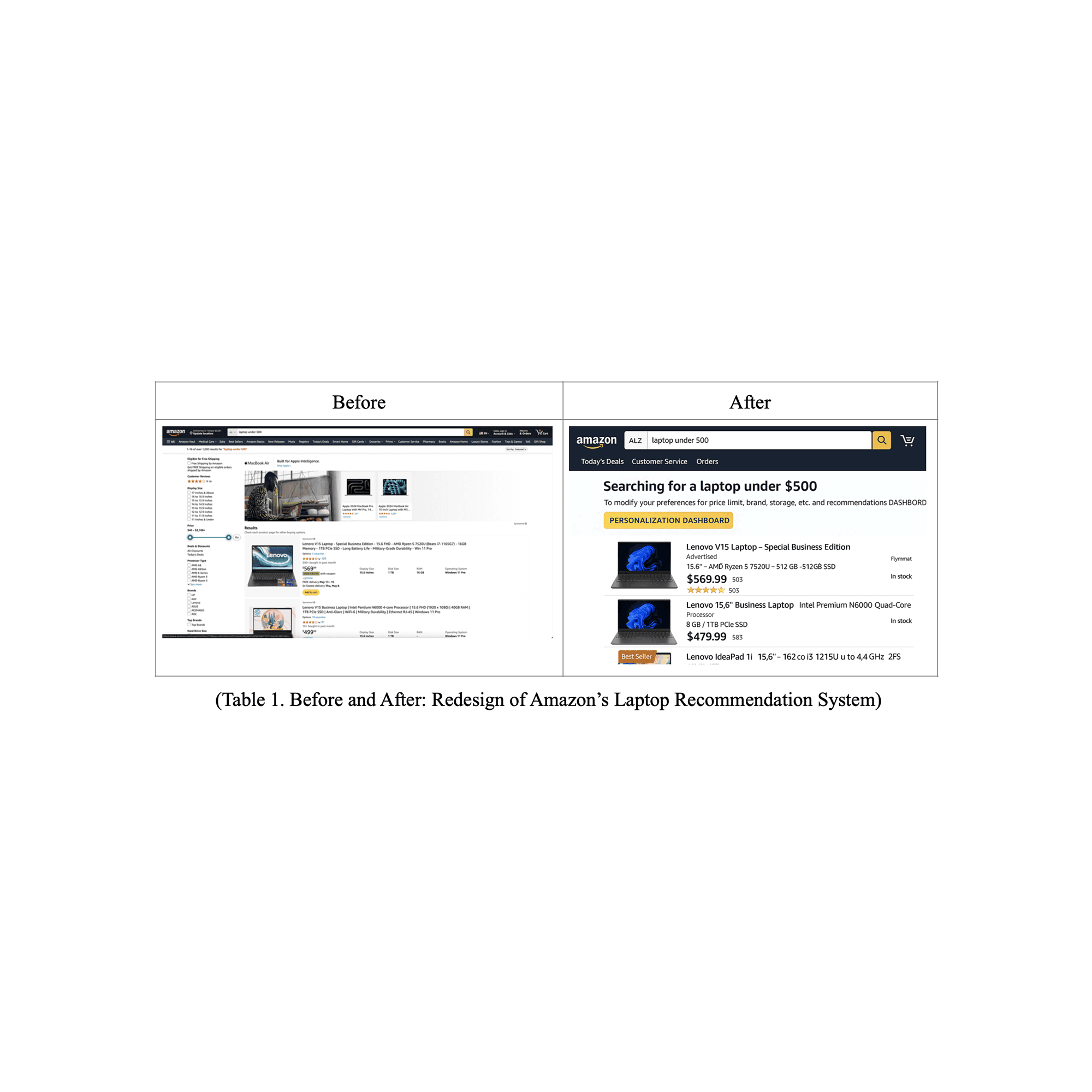
I conducted a mixed-methods analysis combining surveys, trust scales, behavioral coding, and interaction pattern evaluation. Insights highlighted three core needs: - Understandable explanations - Adjustable control - Consistent feedback loops Using these findings, I designed conceptual transparent-AI components that included: - Confidence meters to communicate algorithm certainty - Editable preference controls for the user agency - Interaction feedback showing how user behavior updates recommendations I directed the conceptual UI design and interaction framing, while Dhanraj supported data preparation and contributed to analysis discussions. Each UI element supported the user’s ability to understand, assess, and influence the recommendation process. These designs helped reduce ambiguity, support the formation of mental models, and enhance trust in AI-driven systems.