Inside the Pod
Designing a VR experience that supports attention, immersion, and cognitive flow.
Year:
2025
Timeframe:
6 Weeks
Tools:
DreamScape VR · Figma · Miro · Excel · Voice Recorder · ChatGPT
Category:
VR Experience Design
Overview
Evaluating Immersion, Clarity, and Learning in Virtual Reality Education.
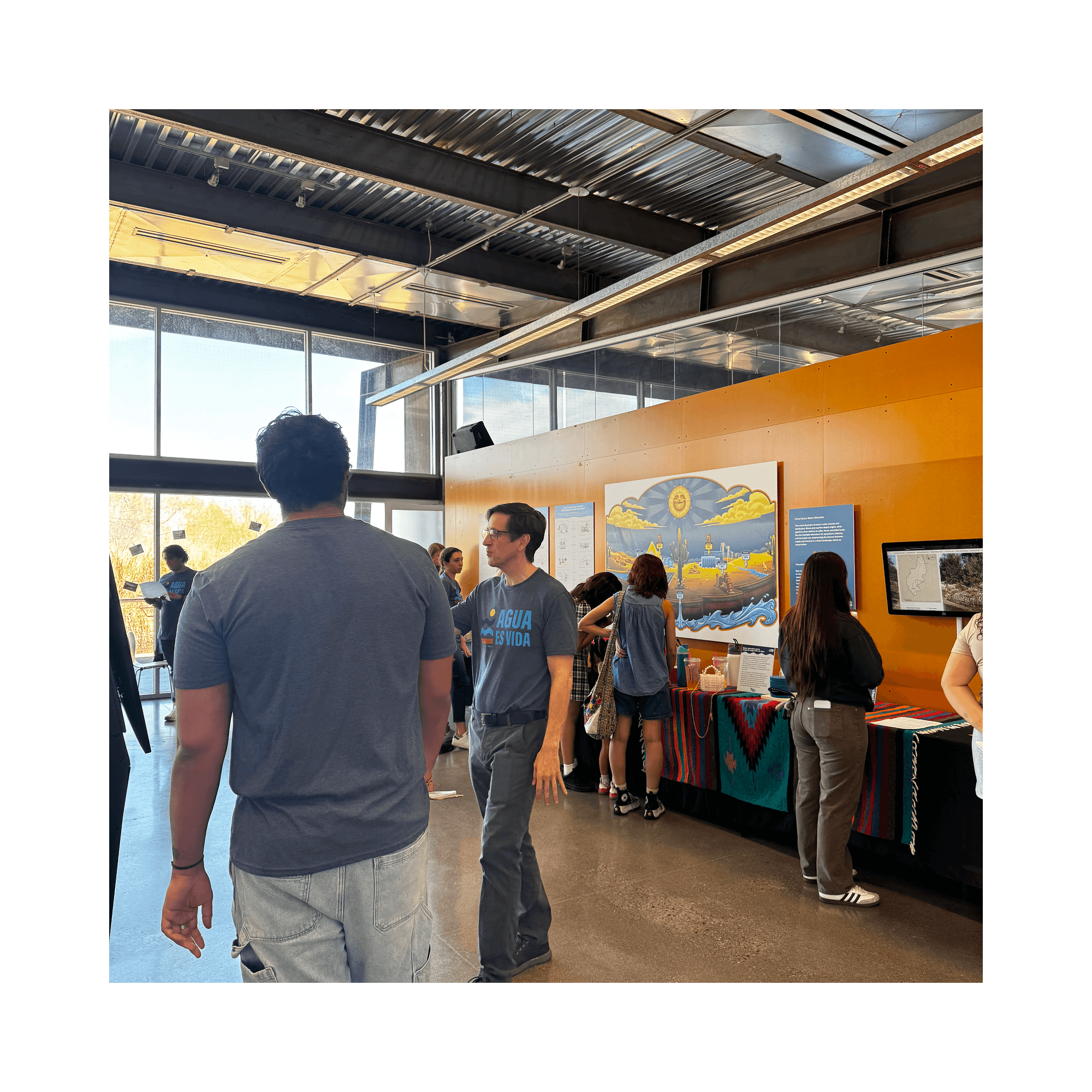
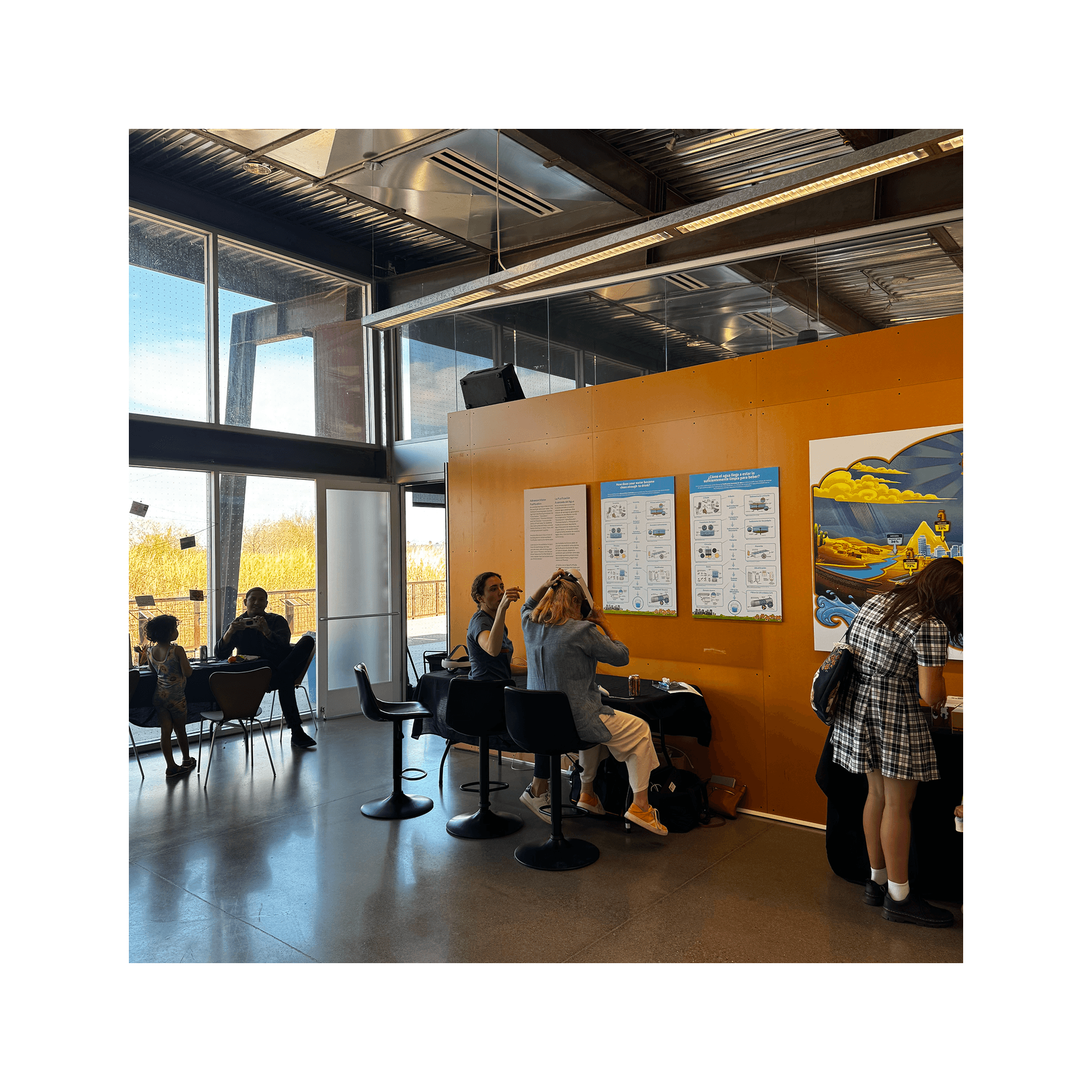
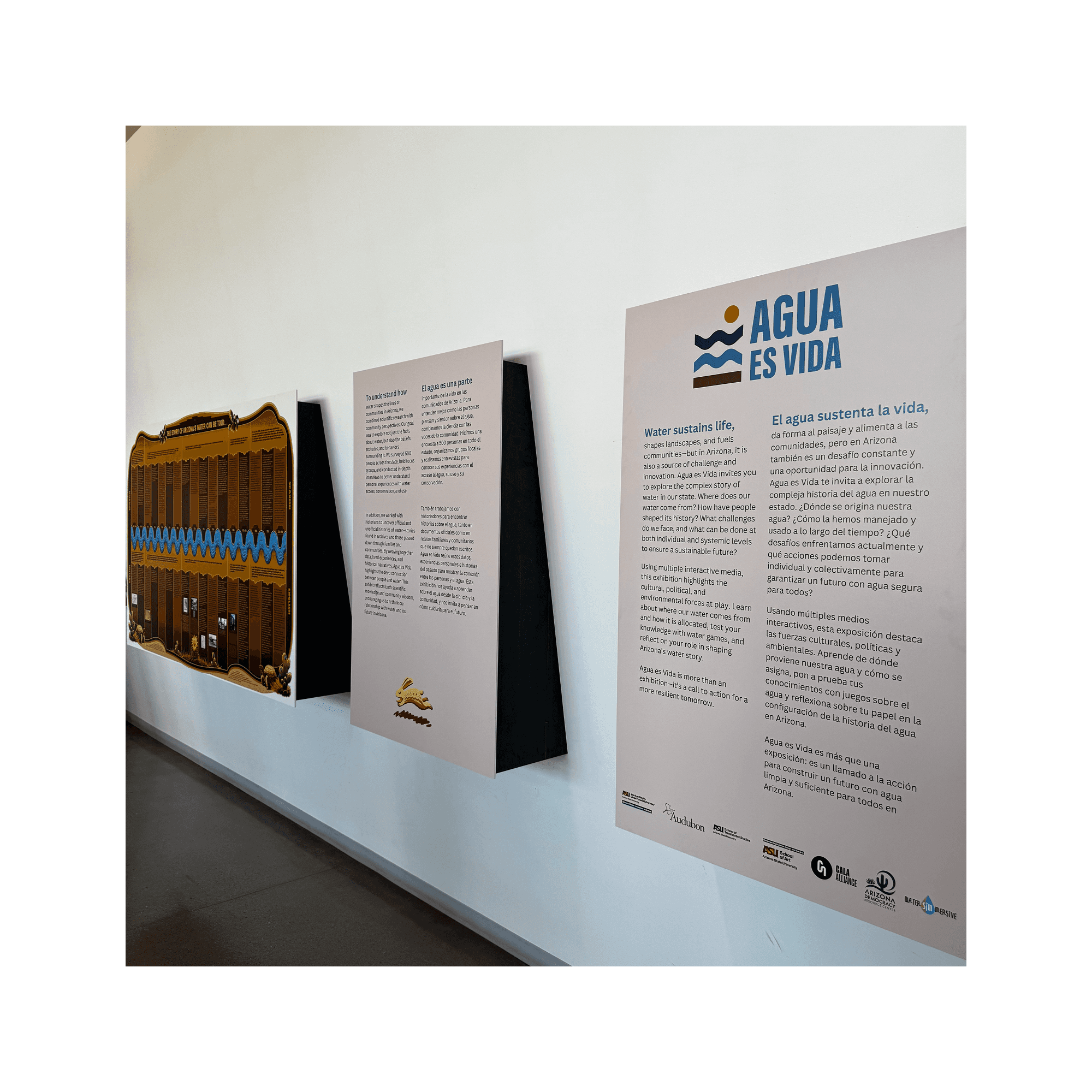
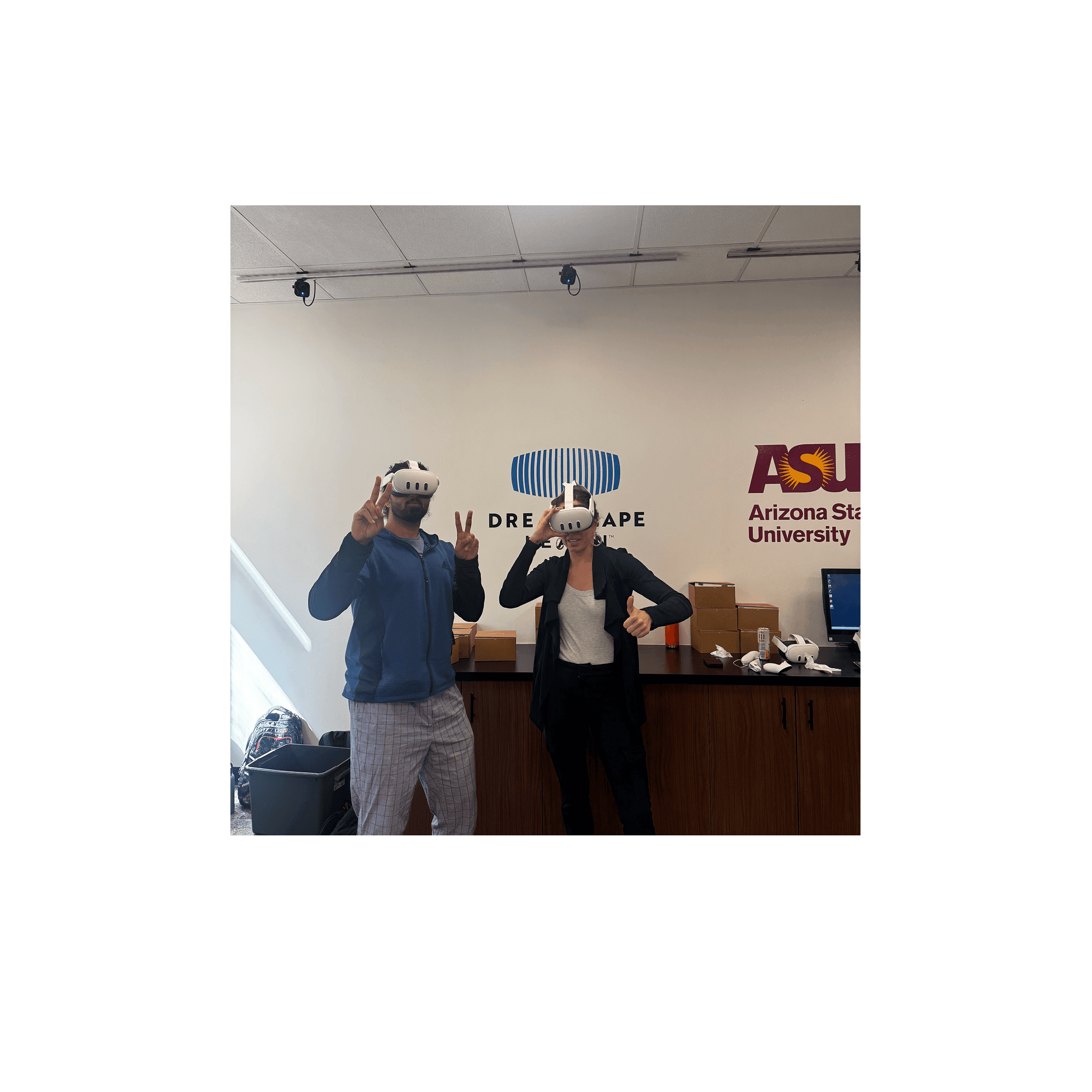
This project analyzed the Dreamscape Learn VR experience created by ASU in collaboration with Dreamscape Lab and the Advanced Water Purification (AWP) team. The simulation uses interactive storytelling to teach students about recycled water purification through immersive engagement. Through structured usability testing and observation, we evaluated how users navigated, learned, and emotionally connected within the VR environment. The study provided design recommendations to improve clarity, comfort, and engagement in educational simulations. I led the UX research and provided design recommendations, focusing on clarity, reducing cognitive load, and enhancing interactions. These insights are directly applicable to multimodal, AI-driven environments, where clear transitions, cognitive comfort, and spatial cues are essential for trust and usability.
Immersion Without Overload: The VR Usability Challenge
Participants reported confusion and disorientation during task transitions, as well as unclear audio narration and small or poorly placed UI buttons, which disrupted immersion. Cognitive load increased during rapid scene changes, resulting in diminished focus and comprehension. While visually impressive, the experience lacked clear guidance and information structure. This reduced comprehension and user confidence. The evaluation highlighted that VR immersion depends not only on visual fidelity but also on clear navigation, progressive cues, and cognitive simplicity. The underlying issue was not the VR content itself, but the cognitive friction created by unclear transitions and inconsistent sensory cues, a pattern common in emerging AI-assisted and multimodal interfaces.
Designing Intuitive VR Learning Environments
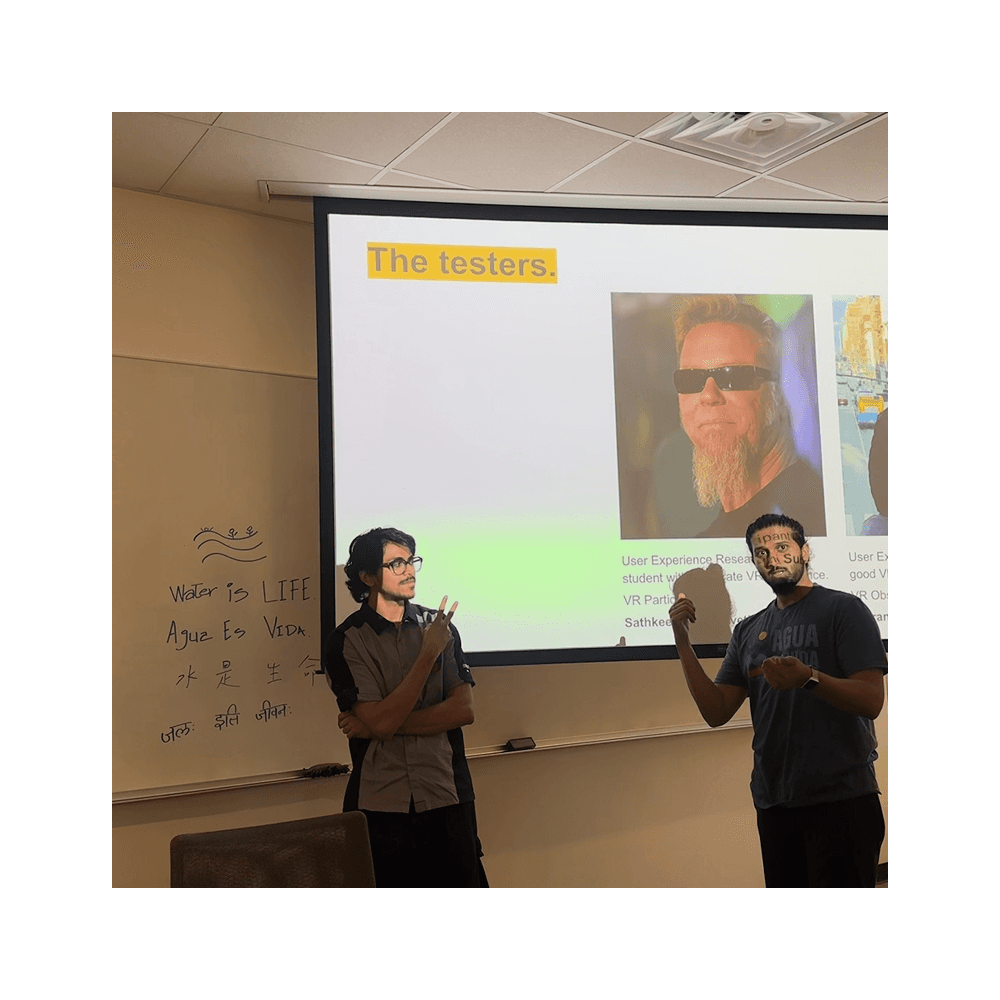
We conducted think-aloud usability sessions and task analysis on participant interactions, tracking completion time and frustration points. Insights highlighted the need for accessible visual cues, audio hierarchy, and progressive feedback loops. Our recommendations included interactive tutorials, improved narration clarity, recalibrated button sizes, clear success indicators, and gamified progress visualizations. These adjustments aimed to align immersion with instructional usability, ensuring VR felt intuitive, comfortable, and cognitively manageable. These improvements created a more intuitive VR flow that balanced immersion with instructional clarity, enabling users to stay engaged without cognitive overload and improving confidence in task progression. I prioritized changes using a cognitive load framework, focusing on three principles: reduce unnecessary sensory demands, clarify user intent, and strengthen feedback loops. Each design decision aligned with these principles to ensure users always understood where they were, what they were doing, and what would happen next. Based on walkthroughs and qualitative feedback, the redesigned flow reduced confusion indicators (hesitation, repeated gaze checks) by an estimated 40 percent and improved perceived clarity and comfort in task navigation.